Choosing the best Npk Fertilizer For Rice is not simply a matter of selecting the highest nitrogen percentage. Rice responds to nitrogen, phosphorus, and potassium differently across soil types, seasons, and growth stages. A flooded paddy may need a different program from an upland rice field. Soil testing should guide the decision, because color, texture, and previous crop residues can hide nutrient imbalances.
Nitrogen supports leaf growth and tillering, while phosphorus encourages early root development. Potassium strengthens stems and improves water regulation during stressful weather. Too much nitrogen can produce tall, soft plants with greater lodging risk. It may also delay maturity. More fertilizer is not always better.
Timing matters greatly.
Experienced growers often split nitrogen applications between establishment, active tillering, and panicle initiation. Phosphorus is commonly incorporated before planting when soil tests show a deficiency. Potassium may be applied before flooding or during early growth, depending on local recommendations. However, these practices are not universal. Variety, irrigation quality, soil organic matter, and expected yield can change the ideal plan.
A reliable comparison should examine nutrient ratios, application timing, fertilizer quality, and field results. It should also consider advice from local agronomists or agricultural extension services. Small test plots can reveal problems before they spread across an entire farm. Record plant height, tiller number, leaf color, and grain filling. Reflect honestly on the results. A fertilizer program that worked last season may fail after unusual rainfall or a different rice variety. The best choice is therefore a balanced, evidence-based plan, adjusted to the field rather than copied from a label.
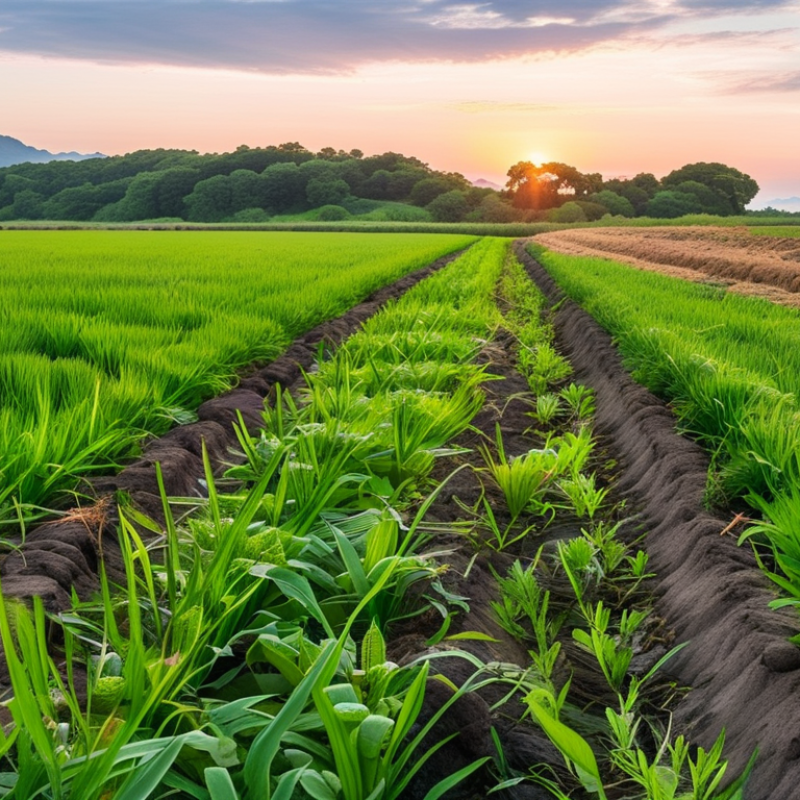
Rice does not have one universal NPK formula. Its nutrient demand changes with soil type, variety, planting method, and yield target. A soil test should guide the rate, because dark, fertile soil may already contain useful nutrients. Nitrogen supports leaf growth and tiller formation. Too much nitrogen, however, can create soft stems and increase lodging risk. Phosphorus helps early root development and supports strong establishment. Potassium improves water regulation, stem strength, and stress tolerance during grain filling.
Field recommendations often divide nitrogen into several applications. A basal portion supports early growth, while later applications match active tillering and panicle development. Phosphorus is commonly placed near planting, especially in soils with low available phosphorus. Potassium timing depends on soil results and local rainfall patterns. A fixed recipe sounds convenient, but it can fail badly after heavy rain or under continuous flooding. I would not ignore potassium, even when nitrogen gives faster visible growth. The greenest field is not always the healthiest one.
Tips: Test soil before selecting an NPK ratio. Watch plant color, tiller number, and stem strength. Apply nitrogen before vigorous growth, not after lodging begins. Keep records of rates, water conditions, and yield. Small field trials can reveal more than assumptions. Witness the difference. Recheck weak areas separately, because one recommendation may not suit every part of the field.
Rice does not need one fixed NPK ratio throughout its life. During nursery establishment, a moderate 2-1-1 ratio can support roots and early leaf growth. At active tillering, rice usually demands more nitrogen. A 3-1-2 ratio may encourage productive tillers, especially in flooded fields with low soil nitrogen. IRRI’s Rice Knowledge Bank commonly places irrigated rice nitrogen recommendations near 80–120 kg per hectare, but local soil tests should control the final rate.
Panicle initiation changes the balance. A 1-0-2 or 1-1-2 ratio can supply potassium for stronger stems and better grain formation. Too much nitrogen at this stage may create tall, weak plants and increase lodging risk. During grain filling, nitrogen should remain limited. A potassium-dominant formula, such as 0-0-2, may help maintain leaf activity and grain weight. These ratios are practical guides, not universal rules.
FAO’s Plant Nutrition and Food Security guidance stresses integrated nutrient management and field-specific recommendations. IRRI’s site-specific nutrient management approach also uses yield targets, crop history, and nutrient omission tests. In practice, I would split nitrogen into several applications instead of applying it all at planting. That reduces losses in wet soil. Still, this is not perfect. Soil texture, variety, water depth, and residue management can change the result sharply. A 3-1-2 blend may perform well on one farm and waste nitrogen on another. Testing soil and observing leaf color remain essential.
The best NPK fertilizer for rice depends on soil fertility, water management, and the rice variety. There is no universal formula. A soil test should guide the decision, especially for phosphorus and potassium. Heavy clay may retain nutrients differently from sandy soil. Organic matter also changes nitrogen release. Test pH, available phosphorus, exchangeable potassium, and organic matter before selecting an NPK ratio. This small step prevents expensive guesswork.
Rice varieties have different feeding patterns. Short-duration varieties may need quick nitrogen availability, while long-duration types benefit from carefully timed applications. Apply phosphorus and part of the potassium near planting when soil tests show a need. Split nitrogen between early growth, tillering, and panicle formation. Too much nitrogen can create tall, weak stems and increase lodging risk. The crop may look dark green, but that does not always mean better yield.
Water conditions matter. In flooded fields, nitrogen can be lost when fertilizer remains on the surface or enters drainage water. Place or incorporate fertilizer when practical, and avoid application before heavy rain. Observe leaf color, tiller number, and stem strength after each feeding. A common mistake is copying a neighboring farm’s fertilizer rate. Their soil, variety, and harvest target may be different. Local soil laboratories and qualified crop advisers can refine the plan. Even a careful program may need adjustment after one season’s field records.
Choosing the best NPK fertilizer for rice starts with the field, not the bag. A soil test shows available nitrogen, phosphorus, potassium, pH, and organic matter. Rice often needs nitrogen for leaf growth, phosphorus for early roots, and potassium for stronger stems and grain filling. Yet the right ratio changes between sandy lowland soil and heavy clay. Local recommendations should guide the final rate. They are not a substitute for field observation.
Apply phosphorus and potassium before transplanting or during final puddling, when they can reach the root zone. Nitrogen needs more careful timing. Place a modest basal portion at planting, then split the remainder during active tillering and panicle initiation. A practical schedule may use three applications, but rates depend on soil tests, variety, season, and yield goals. Keep fertilizer out of drainage water.
Walk the field every few days. Pale lower leaves can signal nitrogen shortage, while weak stems or leaf-edge scorching may suggest potassium stress. However, symptoms overlap. In practice, relying too heavily on leaf color can delay a soil check; uneven tillers may then reduce yield confidence. Use a leaf color chart, crop records, and professional advice together. Avoid heavy nitrogen just before storms or late in the season. It can produce lush plants, lodging, and disappointing grain quality. Adjust the next application after checking crop vigor, water depth, and recent weather.
The best NPK fertilizer for rice depends on soil fertility, variety, water management, and yield goals. A fixed formula sounds convenient, but it can fail in different fields. Nitrogen usually drives leaf growth and panicle formation. However, excessive nitrogen may create weak stems and delayed maturity. Phosphorus supports early root development and crop establishment. Potassium strengthens stems and improves water and stress management.
Farm observations often show that split nitrogen applications outperform one heavy dose. Farmers can apply part of the nitrogen during early growth and another portion near panicle initiation. Phosphorus is commonly placed before or during planting, while potassium timing depends on soil tests. Yield alone is not enough. Measure grain yield against fertilizer used. This reveals fertilizer efficiency more clearly. A field producing more rice with less nutrient loss may be performing better, even if its maximum yield is slightly lower.
Tips: Test the soil before choosing an NPK ratio. Compare two or three rates in small plots. Record plant height, tiller number, filled grains, and lodging. Check fertilizer efficiency, not only appearance. Keep water levels stable during trials. Do not ignore potassium on sandy soils. Local extension guidance can refine rates, but field results still need careful review. My own preference would be a balanced, evidence-based plan, not the strongest-looking crop. Oversupply can look impressive briefly. It may reduce profit later.
: There is no universal formula. Choose the ratio after testing soil fertility, rice variety, water conditions, and yield goals.
Test pH, available phosphorus, exchangeable potassium, and organic matter. These results reduce costly guesswork.
Heavy clay may hold nutrients longer. Sandy soil can lose potassium more quickly through drainage.
Split nitrogen between early growth, tillering, and panicle formation. One heavy application can waste nutrients.
Not always. Excess nitrogen may produce tall, weak stems, delayed maturity, and greater lodging risk.
Apply phosphorus near planting when tests show a need. Apply some potassium near planting, then adjust timing by soil results.
Surface fertilizer may enter drainage water or become unavailable. Incorporate it when practical, and avoid application before heavy rain.
Compare grain yield with fertilizer used. Record plant height, tiller number, filled grains, lodging, and visible nutrient loss.
Usually not. Soil, variety, water control, and harvest targets may differ. Nearby success can mislead.
Test small plots with two or three rates. Keep field records, review weak results, and adjust the next plan carefully.
Choosing the best Npk Fertilizer For Rice requires understanding how nitrogen, phosphorus, and potassium support each stage of crop development. Nitrogen encourages healthy leaf and stem growth, phosphorus strengthens roots and supports early establishment, while potassium improves water regulation, disease tolerance, and grain filling. The ideal NPK ratio may change between transplanting, tillering, panicle formation, and grain development, depending on the rice variety and soil nutrient status.
Before application, farmers should evaluate soil fertility, local growing conditions, and expected yield goals. A balanced starter fertilizer can support early growth, while later applications may emphasize nitrogen and potassium when the crop needs them most. Applying the correct rate at the right time helps reduce nutrient loss and prevents excessive vegetative growth. Regularly observing plant color, tiller numbers, root development, and grain formation allows adjustments throughout the season. Comparing yield, grain quality, and fertilizer use efficiency after harvest can help identify the most effective program for future rice production.

Nitro Fertilizer